
How AI Can Reduce Strain From Labor Shortages in the Agricultural Industry
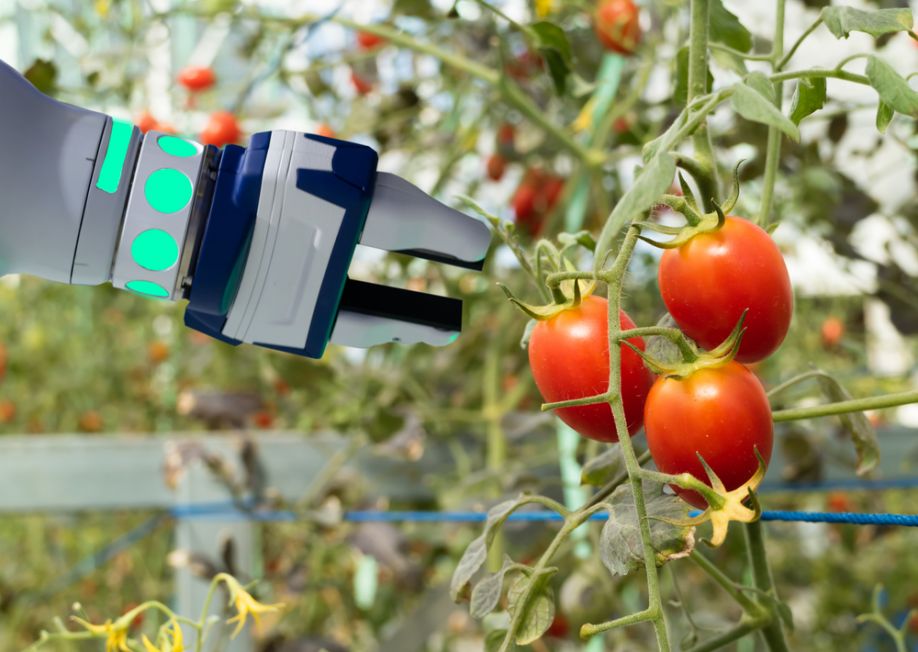
Why does the labor gap exist? Farm work is seasonal, physically taxing and geographically isolated. Visa caps tighten the supply of migrant labor, and younger rural residents often chase steadier indoor jobs. Wages continue to climb, but not fast enough to outweigh the grind
President Trump's Tariffs Boost U.S. Agriculture-But His Immigration Policy is Killing It
Labor-intensive crops like fruits, vegetables, and nuts are particularly vulnerable, with some farmers resorting to leaving crops unharvested due to a lack of available workers.
How Off-Highway OEMs are Combating the Labor Shortage With Automation

The construction and agricultural industries are looking into new solutions to revitalize their workforce and meet demands; one of these paths leads to automated machinery with a focus on safety and profitability.
Agtonomy Unveils Groundbreaking TeleFarmer™ Solution for Specialty Crop Farmers
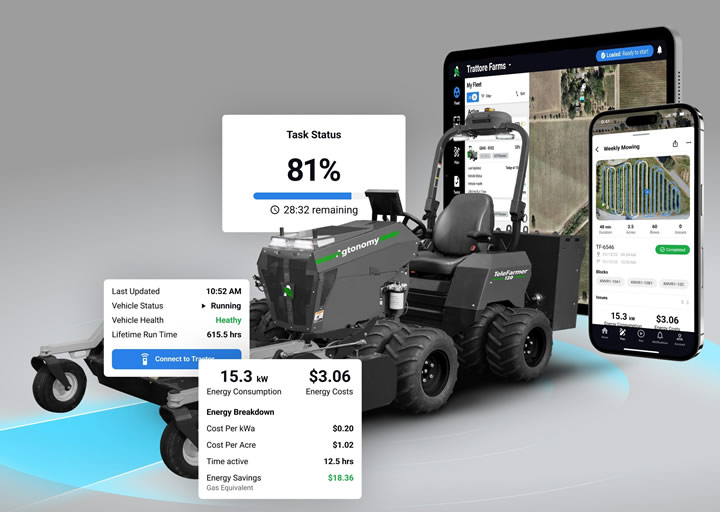
TeleFarmer™ empowers farmers to remotely execute labor-intensive tasks, allowing them to supplement and uplift labor.
Securing Our Harvest: Farm Labour and a Reduced Workforce
So what is actually happening on UK farms? Why is there a shortage of workers? What does this mean for UK farmers and consumers? How do we fix the problem?
As California's labor shortage grows, farmers race to replace workers with robots
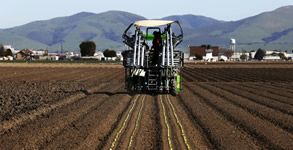
Geoffrey Mohan for LA Times: Now, the $47-billion agriculture industry is trying to bring technological innovation up to warp speed before it runs out of low-wage immigrant workers.
Records 1 to 6 of 6
Featured Product

Advanced Mid-Power and High-Power LEDs for Horticulture Lighting
Cree LED's J Series® family offers a comprehensive portfolio of mid-power and high-power LEDs engineered specifically for horticulture lighting. The lineup includes high-efficacy 2835, 3030 and 5050 platforms designed to maximize photon output, energy efficiency, and long-term reliability in demanding grow environments. Photophyll™ Select options in the JB3030C and 2835 platforms deliver industry-leading efficiency with excellent sulfur resistance and footprint compatibility with 301B/H devices - making design-in seamless for horticulture luminaires. The 2835 N-Class color portfolio adds even greater flexibility with 15 high-efficacy spectral options that support precise spectrum tuning. For high-power applications, the JR5050C provides the industry's highest efficacy in its class and can reduce system costs by up to 40%. The JR5050B complements this with best-in-class efficacy in both 6V and 30V configurations. The J Series portfolio also features top-performing white LEDs. The JB3030C delivers up to 3.33 PPF/W (typical), while the JB2835B offers the highest efficacy available in a 2835 white platform. Together, these solutions give horticulture lighting manufacturers exceptional efficiency, broad spectral versatility and unmatched design flexibility.