One way to define sustainable packaging is: packaging that made of sustainable and/or sustainably sourced materials and that could be re-used multiple times.
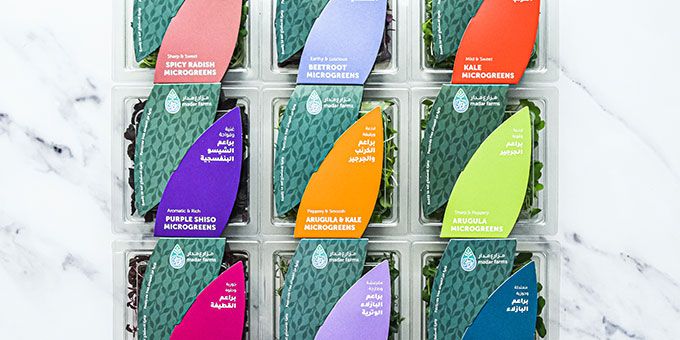 Sustainable Packaging for Fresh Produce
Q&A with Tamara Arbid, Content Manager | Madar Farms
Tell us about yourself and your role with Madar Farms.
My name is Tamara Arbid and I am the Content Manager at Madar Farms. In addition to my job role, I am very passionate about the topic of sustainability and incorporating it in our day-to-day lives. Our recent packaging shift is one project I’m personally very proud of.
What is the consumer perspective on what sustainable packaging is?
There is a misconception that any packaging made of plastic is not sustainable.
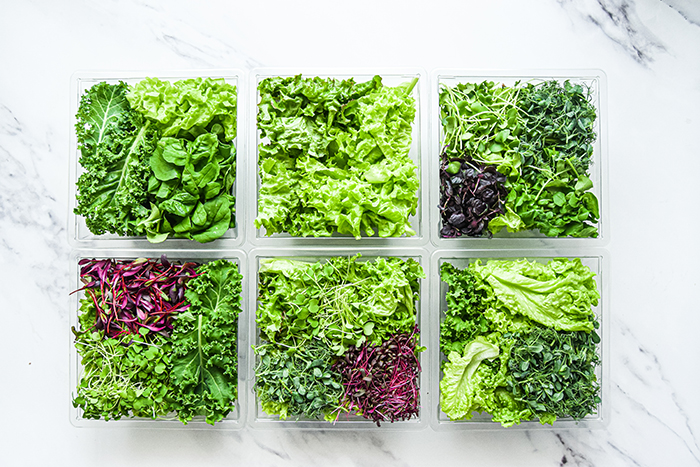
What is sustainable packaging actually?
The topic of sustainable packaging is vast, and there are many factors to take into consideration; therefore, we cannot define sustainable packaging with one comprehensive definition. One way to define sustainable packaging is: packaging that made of sustainable and/or sustainably sourced materials and that could be re-used multiple times.
What is the ideal fresh produce packaging (specifically for leaves)?
This is a not easy question to answer, it really depends on your priorities and strategies. After lengthy research on all the packaging options out there for fresh produce, we found that the ideal packaging solution for us as Madar Farms is rPET (recycled polyethylene terephthalate), which is a food-grade, recycled and recyclable material.
What is the most used packaging material being used for produce?
The most used material for produce at the moment is single-use plastic; meaning the wrapper or container is only used once and discarded afterwards.
What is the idea behind the use of plastic vs. other materials?
There may be other materials that are considerably more eco-friendly; yet they do not have the perks that plastic has to offer. Plastic has proven to keep produce fresh for longer, extending the shelf-life of fresh produce by more than 50%. It is also food safe non-reactive material; meaning it doesn’t react with the food items stored inside the packs which is a requirement from a HACCP food safety perspective. It also travels well, which means logistically it is a better option for retailers around the world.
Why is it so important to consider sustainable packaging for produce?
There are many factors that play an important role here, as a company we try to keep the SDGs in the backend of every step of the way and this shift in our packaging covers at least four of them. From consistent quality of health and safety, and conscious and local sourcing, to sustainable production. Packaging might come at the end of the priority list to some; however, we’re always trying to achieve a circular economy as a company and having sustainable packaging to drive reusability and recyclability is very crucial to our growth.
The content & opinions in this article are the author’s and do not necessarily represent the views of AgriTechTomorrow
Comments (0)
This post does not have any comments. Be the first to leave a comment below.
Featured Product